What Does Non-Abiding Mean in the Diamond Sutra?
Hello everyone, I am Liao Huishan.
Non-abiding in the Diamond Sutra means that the mind does not settle into grasping at what it encounters. It does not mean becoming unconscious, suppressing every thought, or withdrawing from life. The difficult part of the teaching is its double movement: do not cling, yet remain awake and responsive. A mind can meet a feeling without making that feeling its permanent home.
 Diamond Sutra PsychologyExplore non-attachment in everyday emotional life.
A reflective guide for English readers.
Why does “without dwelling” sound contradictory?
The familiar Chinese line is 应无所住而生其心. English readers encounter several renderings of its key terms. “Abide” or “dwell” can sound like remaining physically somewhere. “Give rise to the mind” can sound like manufacturing another stream of thought. Put together, the sentence can appear to ask for two incompatible things: have no mind, then produce a mind.
That apparent contradiction is a useful place to pause. The question is not where your mind is located. It is how the mind relates to what appears before it. Seeing a form is different from fastening your identity to it. Hearing a judgment is different from receiving it as the final truth about who you are.
In Chung Tai Chan Monastery’s explanation of non-abiding, the teaching joins freedom from craving with lucid awareness. The commentary understands the arising mind in relation to wisdom and bodhi mind, not merely the production of more thoughts. This is a Chan interpretation, not a claim that every Buddhist tradition explains the passage in identical terms.
What should remain when clinging loosens?
Attention should remain. The ability to notice another person should remain. The capacity to recognize what a situation asks of you should remain. If an interpretation leaves you less able to listen, acknowledge harm, or respond carefully, it deserves another look.
There is a quiet difference between “I heard something painful” and “this pain now defines everything.” The first leaves a living situation open to examination. The second closes it around a verdict. Perhaps the criticism contains something useful. Perhaps it is unfair. Either way, you need enough openness to investigate it; you do not need to decide your entire worth before you can listen.
This everyday example is a reflective application, not a translation of the sutra or a definition of Buddhist awakening. The scripture’s horizon is larger than managing a difficult afternoon. Still, an ordinary afternoon can reveal how readily the mind takes hold.
Is non-abiding the same as having a blank mind?
No. Being aware of a thought without fastening onto it is different from trying to make thought disappear. A thought may arise, change, and pass. Treating its mere appearance as failure can create a second struggle: now you are distressed both by the thought and by your inability to prevent it.
In Simon Child’s teaching on Silent Illumination, he distinguishes clear awareness from the mistaken goal of eradicating thought. His discussion also cautions against using ideas about emptiness to avoid the demands of life. It offers a helpful check on a reading of “non-abiding” that becomes numbness or evasion.
For this article, the practical distinction is simple: can you notice what is happening without immediately turning it into something to possess, defeat, or become? This is a question for reflection, not a test you must pass by feeling calm.
A small example: hearing criticism without becoming it
Imagine someone says your work is unclear. This is a hypothetical example, not a client story. There is the sentence you heard, the discomfort that follows, and perhaps a quick conclusion: “I am incapable.” Those are not all the same thing.
You might ask which part needs clarification. You might find that a paragraph does need revision. Or you might discover that the other person misunderstood the purpose. Non-abiding, as an everyday reflection, invites you not to freeze the exchange into one identity before you have understood it.
The discomfort does not have to vanish first. You can feel embarrassed and still ask a precise question. You can revise the work without treating the revision as a confession that you have no value. The movement is from a fixed verdict back to a particular situation.
If this bridge between scripture and emotional life is what you want to explore, the English paperback of Diamond Sutra Psychology follows a reading path from scripture and philosophical ideas toward psychological mechanisms, everyday situations, and reflection.
A reading practice, not another demand for perfection
Return to one recent moment when a passing experience seemed to become a complete definition of you. Write down the event first, in concrete terms. Then write the conclusion you added. Leave a little space between them.
Ask: what can I actually observe? What am I assuming? What would become possible if I did not have to defend that conclusion right now? Perhaps the next step is a question, a correction, or a boundary. Perhaps it is simply allowing yourself to understand the situation before responding.
This exercise is an original reading aid for this article, not an ancient technique attributed to the Buddha and not a treatment for anxiety. You do not need to force yourself into serenity. Noticing the place where the mind has settled too firmly is already something worth understanding.
Where does this fit in reading the Diamond Sutra?
If you are new to the text, begin with the Diamond Sutra explained for beginners. If your question is specifically about action and responsibility, continue with letting go without giving up. Those questions are related, but they are not interchangeable with understanding the language of non-abiding.
You can also see Diamond Sutra Psychology in the author’s book collection, or browse the Buddhist psychology and Eastern wisdom books.
The invitation is not to become someone who never feels unsettled. It is to discover whether a feeling, judgment, or idea must hold the mind as tightly as it does. If you would like to keep exploring that relationship between the sutra and ordinary emotional experience, continue with Diamond Sutra Psychology in English paperback.
About the author: Liao Huishan writes about Buddhist psychology, Eastern wisdom, and everyday emotional life. This article offers educational reflection; it is not clinical advice or a substitute for qualified care. The linked teachings support the interpretive distinctions above; the hypothetical example and reading exercise are newly written applications, not quotations from those teachers.
Read next
- Diamond Sutra modern-language translation
- What is attachment in Buddhism?
- Non-attachment vs emotional detachment
- Sutra Commentaries guide
- Buddhist Psychology guide
FAQ
What does non-abiding mean?
Non-abiding means the mind does not fixate on a solid self, view, merit, or outcome as its permanent home. You can still think, feel, and act—without parking identity on every experience.
Is non-abiding the same as not caring?
No. It is caring without possession. You engage fully while refusing to convert people and results into fixed proof of who you are.
How do I notice abiding in daily life?
Watch for phrases like “If this fails, I am nothing,” or compulsive checking for reassurance. That is the mind seeking a place to abide in certainty.
Does non-abiding conflict with goals?
Goals can be skillful. Conflict appears when a goal becomes the only allowable identity. Hold aims lightly: pursue them, revise them, and do not fuse your worth to them.
What is one non-abiding practice after conflict?
Write two columns: facts vs. identity stories. Respond only to facts with one ethical action; leave identity stories unnamed as temporary mental events.
More on the Diamond Sutra
- Why Does the Diamond Sutra Say No Fixed Dharma Was Taught?
- What Does “No Self” Mean in the Diamond Sutra?
- How the Diamond Sutra Helps With Overthinking and Fear of the Future
- Diamond Sutra Quotes Explained: 3 Passages in Context
滑动购买更多作品 →
Browse bestsellers on Amazon — tap a cover to open the book page. Full author store: B0H2T1BBYC.
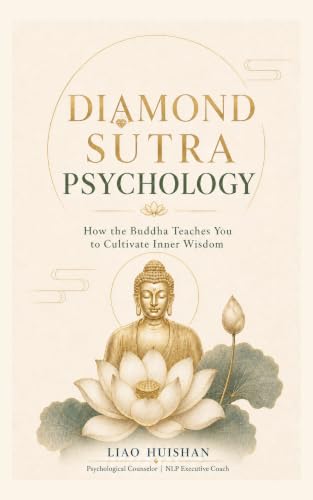 Diamond Sutra Psychology
Buy on Amazon
Diamond Sutra Psychology
Buy on Amazon
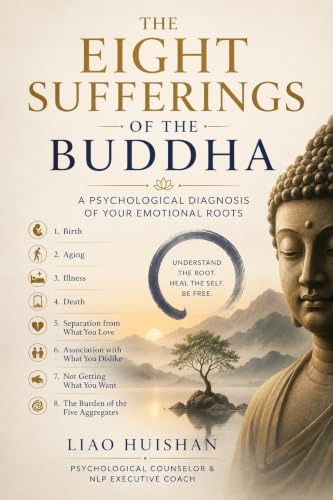 Eight Sufferings of the Buddha
Buy on Amazon
Eight Sufferings of the Buddha
Buy on Amazon
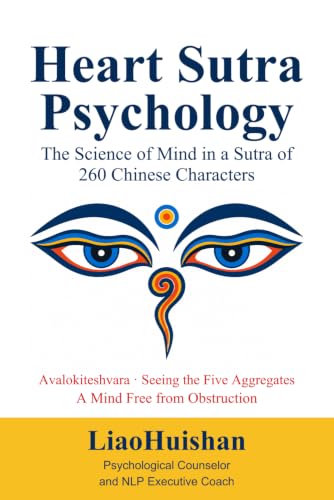 Heart Sutra Psychology
Buy on Amazon
Heart Sutra Psychology
Buy on Amazon
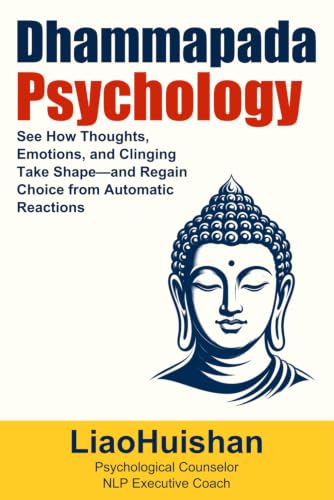 Dhammapada Psychology
Buy on Amazon
Dhammapada Psychology
Buy on Amazon
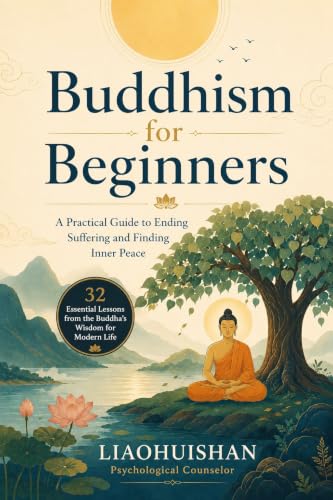 Buddhism for Beginners
Buy on Amazon
Buddhism for Beginners
Buy on Amazon
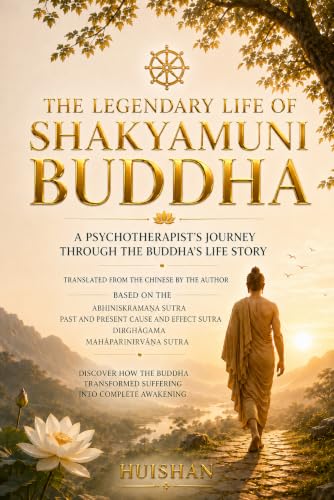 Legendary Life of Shakyamuni
Buy on Amazon
Legendary Life of Shakyamuni
Buy on Amazon
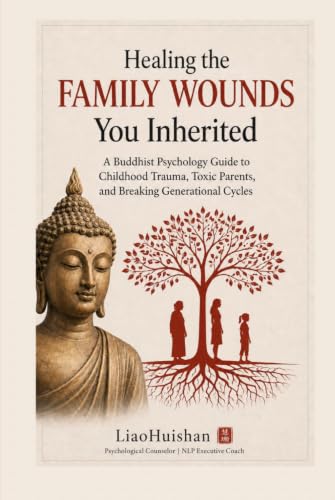 Healing Family Wounds
Buy on Amazon
Healing Family Wounds
Buy on Amazon
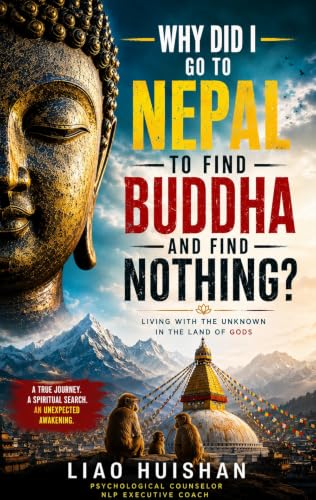 Searching for the Buddha in Nepal
Buy on Amazon
Searching for the Buddha in Nepal
Buy on Amazon
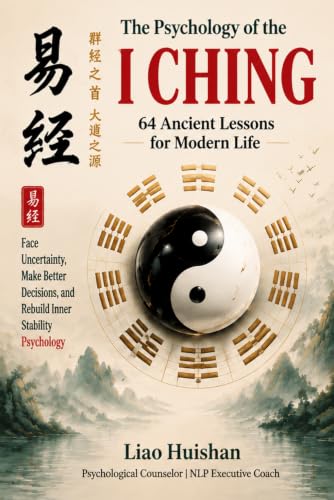 Psychology of the I Ching
Buy on Amazon
Psychology of the I Ching
Buy on Amazon
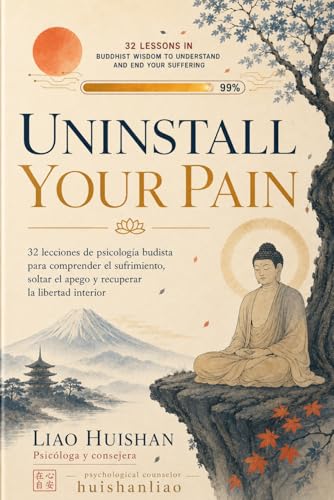 Uninstall Your Pain
Buy on Amazon
Uninstall Your Pain
Buy on Amazon