Buddhist Letting Go · Daily Practice
How to Let Go Without Giving Up: A Diamond Sutra Practice
Letting go does not mean giving up on the person, project, or life you care about. In Buddhist practice, it means releasing the demand that reality must follow one fixed form before you can be at peace.
You can continue to work, love, repair, and hope. What changes is the grip.

Diamond Sutra Psychology
How the Buddha Teaches You to Cultivate Inner Wisdom
Learn how the Diamond Sutra reframes attachment, control, outcomes, self-judgment, and letting go without abandoning love or responsibility.
Buy on Amazon →My judgment: release the demand, keep the responsibility
For me, this is the practical dividing line. Giving up abandons the action that is still yours; letting go releases the demand that another person, one result, or one timeline must confirm your worth. You can continue to prepare, speak honestly, love, repair, and set boundaries—without making peace conditional on controlling the outcome.
What are you actually holding?
We say we are attached to a job, relationship, or goal. Often we are attached to the meanings behind it: “If this succeeds, I am worthy.” “If this person stays, I am safe.” “If life follows this schedule, I am not falling behind.”
The Diamond Sutra asks us to see these meanings as constructions rather than permanent truths.
Let go of the verdict, not the effort
Suppose you are waiting for an important decision. Giving up would mean abandoning the work that is still yours to do. Letting go means completing the work without turning the decision into a total verdict on your identity.
You submit the application, prepare for the interview, and learn from the outcome. You do not have to spend every hour demanding that the future reassure you.
Let go of possession, not love
In relationships, letting go may mean releasing the script of how another person must speak, change, or stay. That does not require tolerating harm. It means seeing the other as a living person rather than as the manager of your emotional security.
Sometimes loving action moves closer. Sometimes it sets a boundary. Sometimes it accepts an ending without denying that the love was real.
A four-question practice
- What outcome am I trying to guarantee?
- What does this outcome seem to prove about me?
- Which part is actually within my control?
- What is the next caring action, without the guarantee?
This is not a one-time achievement. The mind grasps; you notice; you loosen; it grasps again. Practice is the repeated return to reality.
Read next
- What is attachment in Buddhism?
- Non-attachment vs emotional detachment
- Diamond Sutra modern-language translation
- Applied Buddhist Psychology guide
- Sutra Commentaries guide
FAQ
What does “let go without giving up” mean?
It means releasing clinging to outcomes, identity, and proof of worth while still acting with care, effort, and ethics. You stop using results as the only measure of your value—without quitting responsible action.
Is letting go the same as quitting?
No. Quitting abandons the work. Letting go abandons possession of the result. You can keep showing up skillfully without demanding that life guarantee your preferred ending.
How does the Diamond Sutra support this?
It points to non-abiding: act generously and wisely without fixing a solid self that must own merit, praise, or success. That reduces the panic that turns effort into clinging.
Will I become passive if I practice non-attachment?
Healthy non-attachment is not passivity. It is engaged care without possession. If you notice numbness or shutdown, that may be emotional detachment—not the Buddhist goal.
What is a daily micro-practice?
Before a charged action, silently note: “I will do this carefully; I will not use the result to prove I am safe.” Then do the next right step and allow the outcome to be unfinished.
Go deeper into the Diamond Sutra’s practical psychology of attachment, action, love, and impermanence.
Buy on Amazon →More on the Diamond Sutra
- What Does “No Self” Mean in the Diamond Sutra?
- Why Does the Diamond Sutra Say No Fixed Dharma Was Taught?
- The Heart Sutra Explained in Plain English
- Why I Wrote Diamond Sutra Psychology
滑动购买更多作品 →
Browse bestsellers on Amazon — tap a cover to open the book page. Full author store: B0H2T1BBYC.
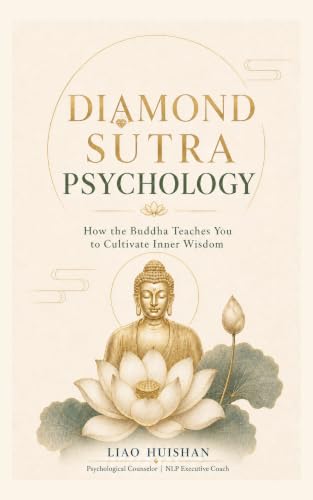 Diamond Sutra Psychology
Buy on Amazon
Diamond Sutra Psychology
Buy on Amazon
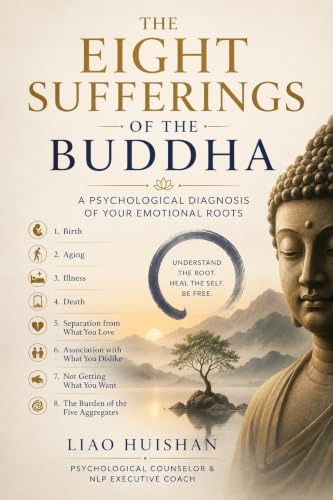 Eight Sufferings of the Buddha
Buy on Amazon
Eight Sufferings of the Buddha
Buy on Amazon
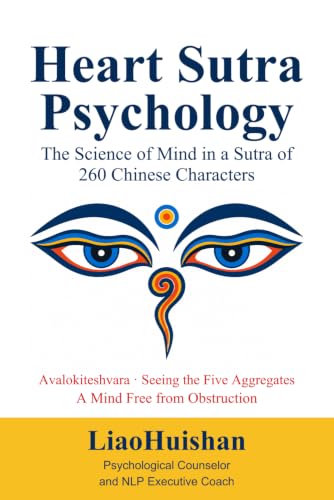 Heart Sutra Psychology
Buy on Amazon
Heart Sutra Psychology
Buy on Amazon
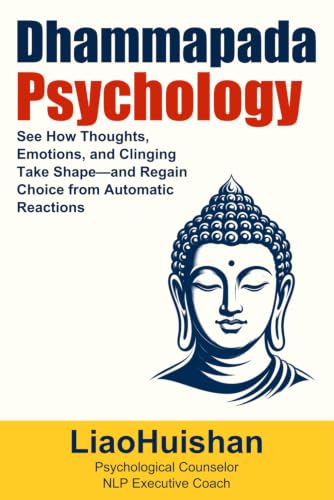 Dhammapada Psychology
Buy on Amazon
Dhammapada Psychology
Buy on Amazon
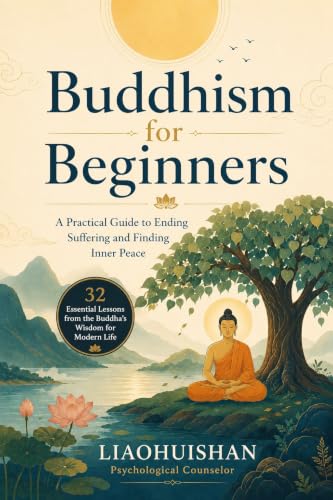 Buddhism for Beginners
Buy on Amazon
Buddhism for Beginners
Buy on Amazon
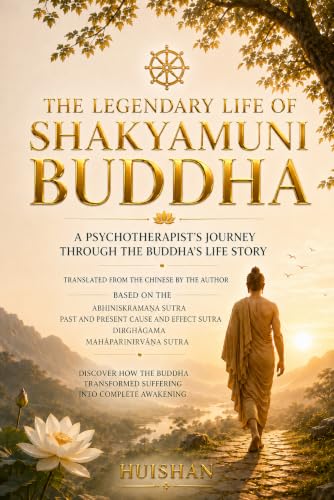 Legendary Life of Shakyamuni
Buy on Amazon
Legendary Life of Shakyamuni
Buy on Amazon
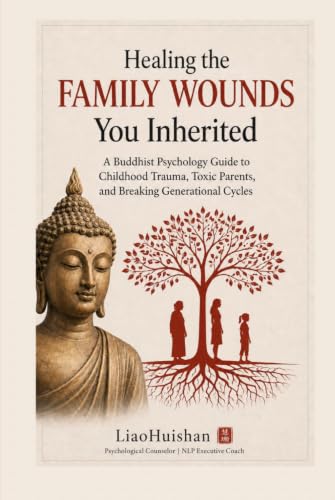 Healing Family Wounds
Buy on Amazon
Healing Family Wounds
Buy on Amazon
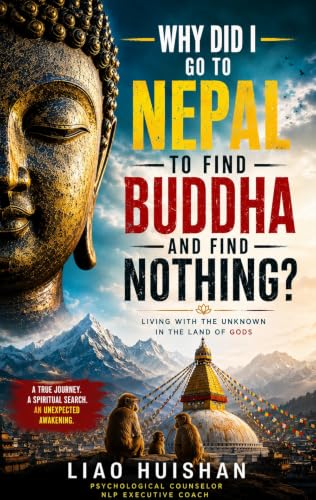 Searching for the Buddha in Nepal
Buy on Amazon
Searching for the Buddha in Nepal
Buy on Amazon
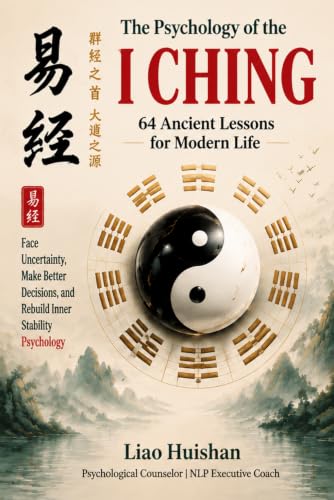 Psychology of the I Ching
Buy on Amazon
Psychology of the I Ching
Buy on Amazon
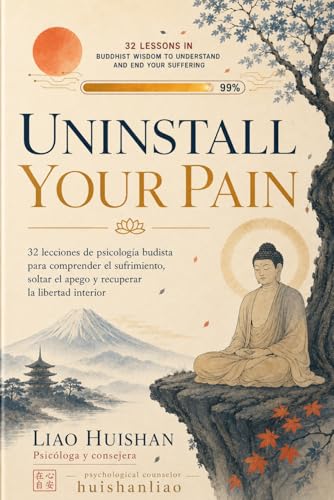 Uninstall Your Pain
Buy on Amazon
Uninstall Your Pain
Buy on Amazon